Houseplant Lighting Guide: Understanding Low Light vs Indirect Light
Published Date:
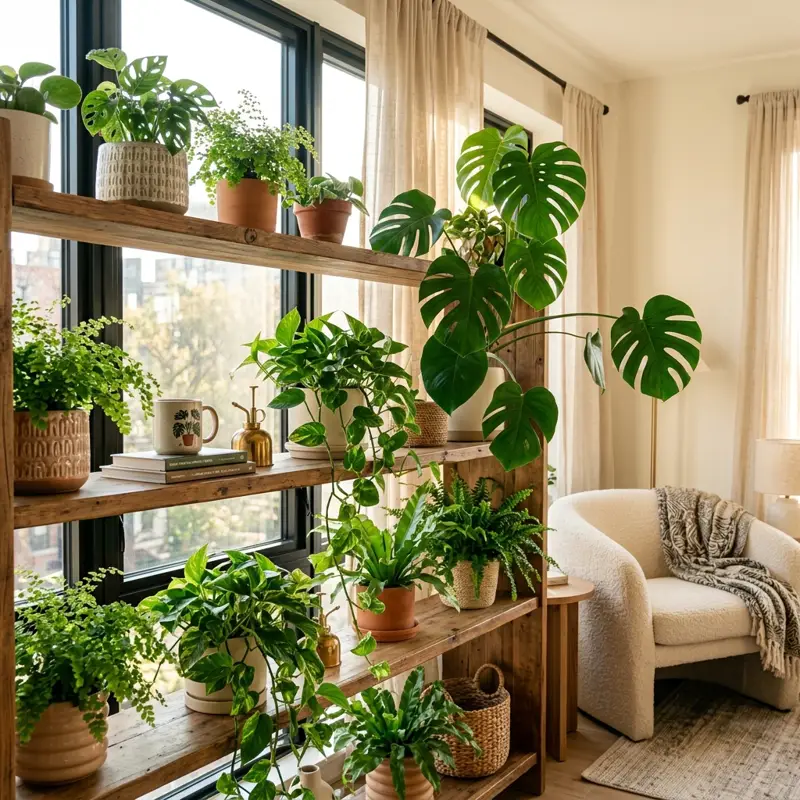
Sunlight is the primary source of fuel for houseplants, driving photosynthesis and encouraging healthy growth. However, light requirements listed on plant nursery tags, like “bright, indirect light” or “low light,” can be incredibly confusing for beginners. Choosing the wrong spot in your home can lead to a host of problems, from leggy stems and fading leaf colors to severely sunburned foliage that can never be repaired.
Understanding exactly what these light terms mean in a real-world home environment is the single most important skill an indoor gardener can develop. If you provide the perfect light, even the most demanding tropical plants become surprisingly easy to care for. Conversely, if the lighting is wrong, no amount of perfect watering or expensive fertilizer will save the plant. To help you design the perfect sunlit setup, our AI plant care assistant Kök explains the differences between household lighting zones.
The Core Problem: Why Incorrect Light Damages Plants
Plants do not “eat” soil or water; they eat light. They use water and carbon dioxide to convert light energy into sugars, which fuel their growth. When a plant does not receive enough light, its metabolism slows down drastically.
The Danger of Low Light
When a high-light plant is placed in a dark corner, it begins to stretch out. This phenomenon, known as etiolation, causes the plant to grow long, weak stems with large gaps between the leaves as it desperately reaches for a light source. Because the plant is barely photosynthesizing, its water consumption drops to near zero. If you continue to water it normally, the soil stays wet for weeks, leading to suffocation of the roots. If you are dealing with yellowing leaves and mushy stems, you likely need to move the plant closer to a window and consult our root rot recovery guide to repair the damage.
The Threat of Sunburn
On the other extreme, exposing a shade-loving tropical plant to direct, harsh sunlight will literally cook the plant cells. Unlike humans, plants cannot put on sunscreen or move out of the heat. When excessive light hits a delicate leaf, it destroys the chlorophyll, resulting in bleached white patches or crispy, black, scorched edges. Once a leaf is burned, it will never turn green again.
Step-by-Step Solution: Decoding Indoor Light Levels
Indoor light can generally be categorized into three distinct levels, based on intensity and exposure. To properly place your plants, you must evaluate every window in your home.
Step 1: Identifying Direct Sunlight
Direct sunlight means the sun’s rays travel in a straight, unbroken line through your window and fall directly onto a plant’s leaves without any barriers (like sheer curtains, blinds, or window screens). In the Northern Hemisphere, this usually occurs in south-facing or unobstructed west-facing windows during the middle of the day.
While desert plants like cacti, succulents, and some citrus trees thrive in this intense energy, it will quickly scorch the delicate leaves of tropical houseplants. Keep direct sun exposure reserved only for arid species.
Step 2: Finding Bright, Indirect Light
“Bright, indirect light” is the holy grail of indoor gardening. It is the sweet spot for 90% of popular houseplants, including Monsteras, Ficus lyrata, and Philodendrons. This type of light occurs when a room is highly illuminated, but the sun’s harsh rays do not hit the plant directly.
You can achieve this perfect light by:
- Placing a plant 1 to 2 meters away from a sunny south or west-facing window.
- Placing the plant directly in an east-facing window, where it receives only gentle, cool morning sun and bright ambient light the rest of the day.
- Using a sheer white curtain over a bright south-facing window to diffuse the harsh rays into a soft, glowing light.
Step 3: Understanding Low Light
Low light refers to the dimly lit areas of your home, such as rooms with only north-facing windows, hallways, bathrooms without windows, or corners far away from any glass. Keep in mind that “low light” does not mean “no light.” If you cannot read a book comfortably in a room without turning on a lamp, it is too dark for any plant to survive.
Hardy plants like the ZZ Plant (Zamioculcas zamiifolia), Snake Plant (Sansevieria), or Cast Iron Plant can tolerate these spots, though they will grow much slower and require drastically less water. If you notice Monstera leaves developing yellow spots, it is often a sign they are trapped in a low-light corner and are being overwatered as a result.
Prevention: The Shadow Test for Lighting
You do not need expensive equipment to evaluate the light in your home. You can test any spot using the simple, highly effective Shadow Test.
At noon on a bright, sunny day, go to the exact spot where you want to place your plant. Hold your hand flat about 30 centimeters above the surface where the plant will sit. Look at the shadow your hand casts on the surface below:
- A sharp, highly defined, dark shadow indicates direct sunlight.
- A soft, fuzzy-edged, gray shadow indicates bright, indirect light.
- A faint, barely visible shadow, or no shadow at all, indicates low light.
Always perform this test before buying a new plant to ensure you actually have the right environment for it to thrive.
When to Seek More Help / Edge Cases
If your home has very few windows, or if your windows are blocked by large trees or neighboring buildings, you might struggle to find even bright indirect light. In this case, you will need to supplement with artificial grow lights. Full-spectrum LED grow lights have become very affordable and can successfully mimic the sun’s rays. When using artificial lights, leave them on for 12 to 14 hours a day, as artificial light is much less intense than natural sunlight and requires a longer duration to deliver the same amount of energy.
Quick Summary
- Direct Light: Unobstructed sun hitting the plant. Good for cacti; burns tropicals.
- Bright Indirect Light: A bright room where the sun doesn’t hit the leaves directly. The ideal spot for most houseplants.
- Low Light: North-facing windows or dark corners. Only suitable for hardy plants like ZZ or Snake plants.
- The Shadow Test: Use your hand’s shadow at noon to instantly gauge light intensity.
- Adjusting Light: Use sheer curtains to soften harsh sun, or move plants 1-2 meters away from bright windows.
- Watch the Water: Plants in lower light use significantly less water; adjust your schedule accordingly to prevent rot.
- Grow Lights: Use full-spectrum LED bulbs if your home naturally lacks sufficient sunlight.
Frequently Asked Questions
Can a plant survive in a bathroom with no windows?
No. All plants require some form of light to survive. While some tolerate very low light, zero natural light will eventually kill any living plant. If your bathroom has no windows, you must use a dedicated LED grow light running for at least 10-12 hours a day.
Do normal room lights help my plants grow?
Standard household light bulbs (incandescent or warm white LEDs) do not provide the correct spectrum or intensity of light for photosynthesis. While they might slightly slow down a plant’s decline, they are not a substitute for natural sunlight or specialized grow lights.
Why is my plant growing long and stretching out?
This is called etiolation. It means the plant is starving for light and is desperately stretching its stems to find a brighter spot. To fix this, you must move the plant closer to a window. The stretched growth will not revert, but new growth will be compact and healthy.
Does a sheer curtain really make a difference?
Yes, absolutely. A sheer white curtain acts as a diffuser. It takes the intense, focused energy of direct sunlight and scatters it evenly across the room, instantly transforming a harsh, leaf-burning direct sun zone into perfect bright, indirect light.
Can I leave my plant on the windowsill all year?
In winter, window glass can become freezing cold, which can shock and damage tropical plant leaves. In summer, the glass can magnify heat and bake the plant. You should monitor your windowsills as the seasons change and move plants back a few inches if the glass becomes extreme.
Optimize Your Plant Placement with Kök!
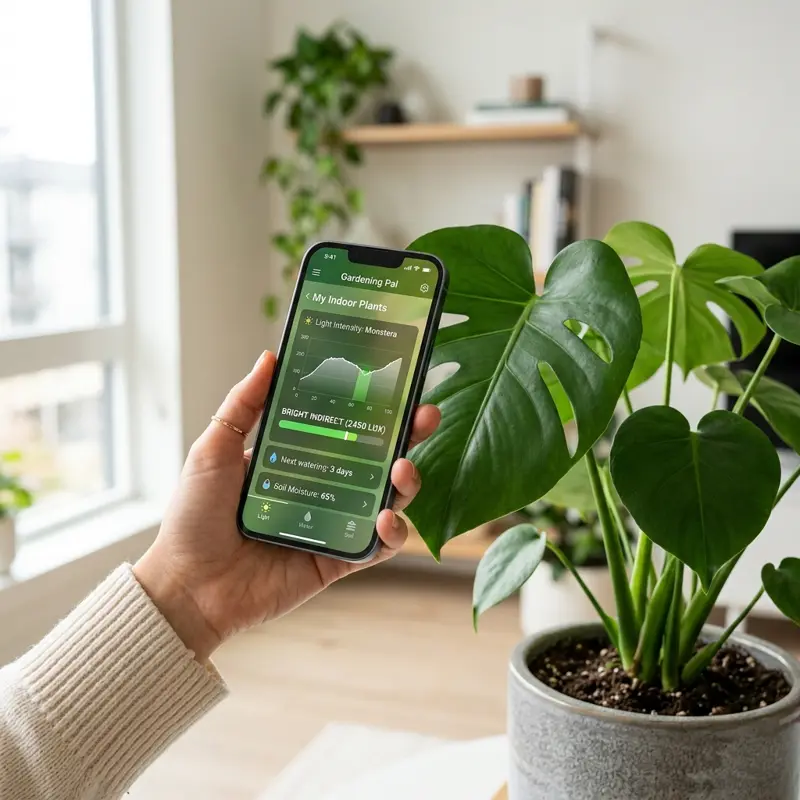
Confused about where to position your new leafy additions? Download the Kök app. Use Kök’s built-in light meter tool to measure the exact lux levels in your home using your phone’s camera, matching your plants with their ideal light spots instantly. Download Kök App Now and watch your plants thrive!