What Plants Can You Grow in Indoor Hydroponics and How to Start
Published Date:
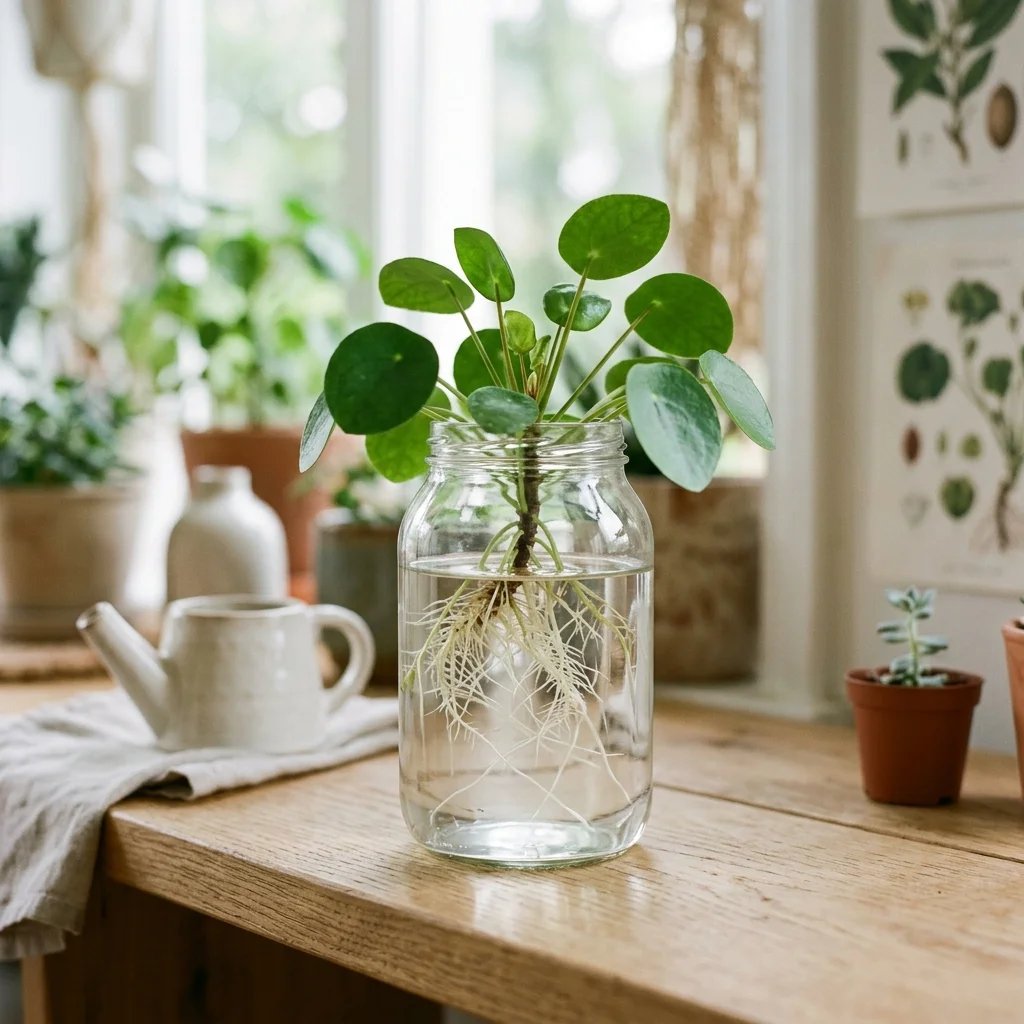
Hydroponics is the scientific method of growing plants in water enriched with mineral nutrient solutions instead of traditional soil. For urban dwellers looking to grow fresh greens at home, indoor hydroponic systems have become incredibly popular, shifting from experimental hobby kits to practical everyday gardening solutions. The absence of soil-borne pests, up to 90% water conservation compared to traditional gardening, and 30-50% faster growth rates make it hard to beat.
If you are tired of dealing with messy potting soil inside your apartment or if you simply want a year-round supply of fresh salad greens and herbs right in your kitchen, hydroponics is the answer. It sounds intimidating, but modern at-home systems are surprisingly accessible. In this guide, we will break down exactly how hydroponics works, what plants are easiest to grow for beginners, and how you can set up your very first soil-free garden without spending a fortune.
Why Hydroponics Works Faster Than Soil
To understand why hydroponics is so effective, you need to understand how plants eat. In traditional soil gardening, a plant’s roots must constantly expand and search through the dirt to find moisture and minerals. This process expends a massive amount of the plant’s stored energy.
In a hydroponic system, the plant’s roots are suspended directly in water that has been perfectly balanced with all the essential macronutrients (Nitrogen, Phosphorus, Potassium) and micronutrients (Calcium, Magnesium, Iron) it needs. Because the food is delivered right to the roots in a highly bioavailable liquid form, the plant does not need to waste energy growing massive root networks. Instead, it redirects all that energy into rapid vegetative growth, producing larger leaves, faster harvests, and bigger yields. If you have ever tried propagating pothos plants in water, you have already practiced a basic form of hydroponics!
Best Plants for Home Hydroponics
Not all plants are suited for small indoor hydroponic setups. Root vegetables like carrots or potatoes are generally not recommended for beginners. Instead, for small-scale indoor systems, leafy crops and culinary herbs offer the easiest setup and the highest, most rewarding yields.
Lettuce & Salad Greens
Lettuce is the absolute king of hydroponics. Varieties like Butterhead, Romaine, and loose-leaf lettuces are incredibly easy to grow. They root rapidly in the nutrient solution and can often be ready for their first harvest in just 3 to 4 weeks from seedling. Because they thrive in cooler indoor temperatures (around 18-21°C), they are perfect for winter growing.
Culinary Herbs (Basil, Mint, Oregano)
Herbs thrive in water setups. Basil, in particular, grows vigorously when fed hydroponic nutrients, often producing leaves twice the size of soil-grown basil. Mint grows so aggressively in hydroponics that it can easily take over a system, so it is often best grown in its own isolated reservoir. Cilantro and parsley also do wonderfully, giving you fresh garnishes year-round.
Spinach & Swiss Chard
These nutrient-dense greens grow strong, healthy root structures even at cooler indoor temperatures. Swiss chard adds a beautiful pop of color to your indoor garden with its bright red, yellow, and pink stems. They supply fresh, continuous harvests since you can simply cut the outer leaves and let the center continue to grow.
Step-by-Step Solution: Setting Up Your First System
You don’t need to spend a fortune on high-tech, automated, app-controlled kits to start growing hydroponically. The most accessible method for beginners is the Deep Water Culture (DWC) or Kratky method. A simple DIY setup requires just a few basic items.
Step 1: Prepare the Reservoir
You need a container to hold the water-nutrient solution. This is your reservoir. It must be completely opaque (blocking out all light) to prevent algae from growing in the nutrient-rich water. A dark plastic storage tote or a large, painted glass jar works perfectly.
Step 2: Insert Net Pots and Medium
Net pots are small, slotted plastic baskets that allow roots to grow out the sides and bottom, dropping directly into the water. Cut holes in the lid of your reservoir to hold the net pots securely. Fill the net pots with an inert, sterile growing medium like clay pebbles (LECA) or rockwool cubes. These materials do not provide nutrients; they simply anchor the seeds and hold the stems upright.
Step 3: Mix the Liquid Nutrients
Unlike soil fertilizers, hydroponic nutrients are specially formulated to be immediately available in water. They often come in two parts (A+B solutions) to prevent minerals from clumping together. Follow the manufacturer’s exact dosing instructions to mix the concentrated minerals into your water reservoir.
Step 4: Add Oxygen (Optional but Recommended)
For a Kratky setup, you simply leave an air gap between the net pot and the water level so the roots can breathe. However, for faster growth (a true DWC setup), add a small aquarium air pump and an airstone into the reservoir. The bubbles will oxygenate the water, preventing root rot and supercharging plant growth.
Prevention: Maintaining Your Hydroponic Garden
The secret to long-term hydroponic success is maintaining consistency in your environment. Since you have removed the buffer of soil, any changes in the water chemistry directly impact the plants immediately.
Monitor and Adjust pH Levels
Plants can only absorb nutrients if the water is at the correct acidity level. For most hydroponic greens, the ideal pH range is between 5.5 and 6.5. Use a digital pH pen or simple pH testing drops weekly to verify the water solution. If it goes too high or too low, use “pH Up” or “pH Down” adjusting liquids to bring it back into the sweet spot.
Manage Your Light Cycles
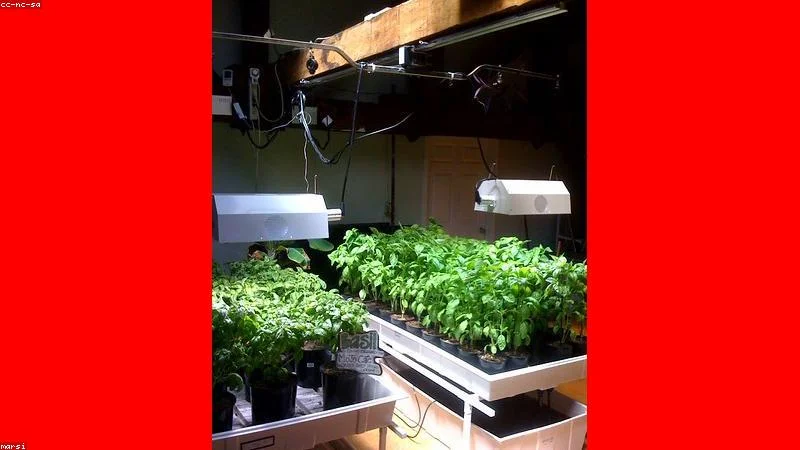
If your room lacks bright natural sunlight, you will need to install a full-spectrum LED grow light. Position the light about 15 to 30 centimeters above the plants and set it on a simple plug-in timer to run 12-14 hours daily. Plants need dark periods to rest, so do not leave the lights on 24/7.
When to Seek More Help / Edge Cases
While leafy greens are easy, transitioning to fruiting plants like hydroponic tomatoes, strawberries, or peppers requires a much deeper understanding of nutrient cycles. Fruiting plants need a different nutrient formula for vegetative growth versus blooming, and they often require you to manually pollinate the flowers indoors using a small brush. If your indoor garden is expanding to include demanding ornamentals, you might also want to review our guide on Fiddle Leaf Fig care to ensure your whole indoor jungle is thriving.
Quick Summary
- Fast growth: Hydroponics skips the soil, feeding roots directly for 30-50% faster growth.
- Best beginner plants: Start with lettuce, basil, mint, and spinach.
- The basic setup: You need an opaque reservoir, net pots, an inert growing medium, and liquid nutrients.
- Light matters: Provide 12-14 hours of strong LED grow light daily.
- Check the pH: Keep your water pH between 5.5 and 6.5 so plants can absorb food.
- Oxygenate: Use an airstone to keep roots healthy and prevent rot.
- Start simple: Try the Deep Water Culture or Kratky method before buying expensive kits.
Frequently Asked Questions
Do hydroponic plants taste different than soil-grown plants?
Most people cannot tell the difference. In fact, because hydroponic plants receive optimal, consistent nutrition without the stress of drought or pests, their flavor, especially in herbs like basil and mint, can often be stronger and crisper than soil-grown varieties.
How often do I need to change the hydroponic water?
You should completely empty and refill the reservoir with fresh water and newly mixed nutrients every 2 to 3 weeks. As plants drink the water and absorb specific minerals, the nutrient balance in the remaining solution becomes distorted and can become toxic.
Can I use regular houseplant fertilizer for hydroponics?
No. Standard soil fertilizers rely on soil microbes to break down the nutrients before the plant can use them. Hydroponic nutrients are formulated to be immediately bioavailable in a water solution. Using soil fertilizer will starve your plants and ruin your water quality.
What is the white crust forming on my clay pebbles?
This is usually a harmless buildup of excess nutrient salts. It happens as water evaporates from the top of the growing medium, leaving the minerals behind. You can simply flush the pebbles with plain, pH-balanced water from the top down to dissolve and wash away the salts.
Do I need to clean the system between crops?
Yes, sanitation is critical. Before planting a new batch of seeds, scrub the reservoir, net pots, and airstones with a diluted mixture of water and hydrogen peroxide or white vinegar. This kills any lingering algae spores, bacteria, or pathogens that could infect your new seedlings.
Track Your Hydroponic Garden with Kök!
Struggling to track nutrient changes, water top-ups, and pH logs? Download the Kök app. Kök’s indoor farming log helps you schedule reservoir flushes, track growth rates, and diagnose nutrient deficiencies from photos. Download Kök App Now and enjoy fresh, homegrown harvests!