How Often to Water Indoor Plants in Winter and Protect from Heaters
Published Date:
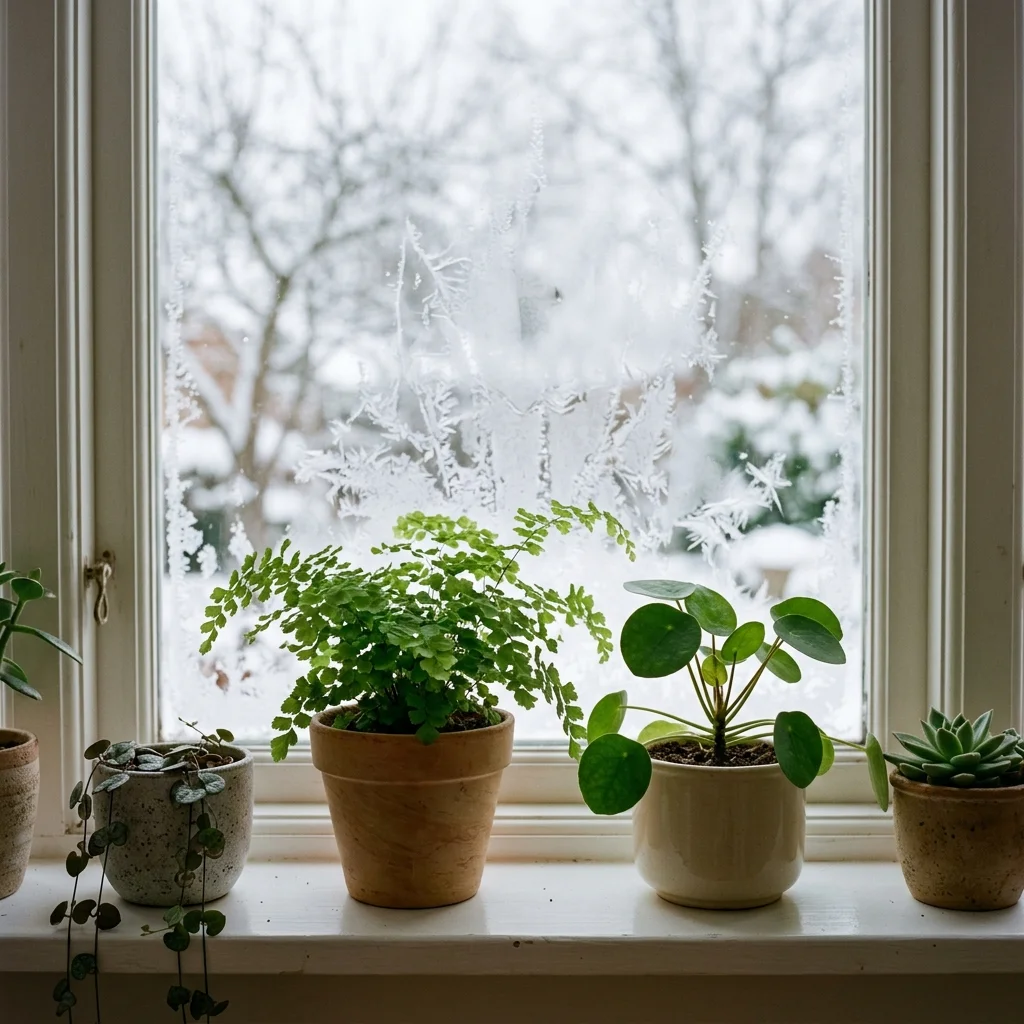
Winter introduces a completely new set of environmental conditions for your indoor plants. As outdoor temperatures drop, indoor heating units kick in and daylight hours shorten, directly impacting your green companions. Continuing your summer watering schedules into the winter months is one of the fastest ways to unintentionally harm your houseplants.
When the seasons change, your plant care routine must adapt. If you have been wondering why your lush, vibrant plants start dropping leaves, turning yellow, or looking sad as soon as December hits, this guide will explain exactly what is going on. We will explore the mechanics of plant dormancy, why your watering schedule needs a drastic overhaul, and how to combat the dry air from your heaters.
The Core Problem: Why Winter Harms Indoor Plants
Most of the beloved houseplants in our living rooms (Monsteras, Calatheas, Pothos, and Ficus varieties) originate from tropical or subtropical environments. In their natural habitats, they receive consistent warmth, high humidity, and stable, bright light year-round. When we bring them into our homes in the Northern Hemisphere, they face a stark reality during winter.
The Onset of Plant Dormancy
The biggest change your plants experience in winter is a dramatic reduction in available sunlight. As daylight hours shorten and the sun’s angle becomes lower, the total light energy entering your windows drops significantly. Because light is the primary driver of photosynthesis (the process by which plants make food and grow), less light means less growth.
When growth slows down, plants enter a state known as dormancy or a resting phase. They are not dead, but their metabolic rate drops to a fraction of what it was in July. Because they are not actively producing new leaves or growing roots, their water consumption plummets.
The Threat of Central Heating
While the lack of light slows the plant down, central heating creates an active threat. Radiators, space heaters, and HVAC vents blast dry, warm air into your rooms. Tropical plants rely on high ambient humidity to keep their foliage supple. When exposed to arid winter heating, the moisture is literally sucked out of their leaves faster than their roots can replenish it, leading to crispy brown edges and leaf drop.
Step-by-Step Solution: Adjusting Your Winter Watering Routine
The number one cause of houseplant death in winter is overwatering. Because the plant is dormant and not using much water, moisture sits in the potting mix for much longer. Wet, cold soil is a breeding ground for fungal and bacterial infections, inevitably leading to root rot. To prevent this, you must change how you water. If you suspect your plant is already suffering, you can read our full root rot recovery guide to save it.
Step 1: Ditch the Schedule and Check the Soil
The golden rule of winter plant care is to never water based on a calendar schedule. A plant that needed watering every 5 days in summer might only need it every 14 to 21 days in winter.
Before you even reach for your watering can, check the soil. Insert your finger about 5 to 7 centimeters deep into the potting mix. If it feels cool or moist, wait another week. For larger pots, use a wooden chopstick; push it deep into the soil and pull it out. If it comes out with dark, moist soil clinging to it, do not water.
Step 2: Allow for Deeper Drying
During the active growing season, many plants prefer their soil to stay consistently slightly moist. In winter, you should allow the soil to dry out much deeper. For succulents and cacti, let the soil dry out 100% before watering. For tropicals like Monsteras or Philodendrons, let at least the top 50-75% of the soil dry completely.
Step 3: Water with Tepid Water
When you do water, never use ice-cold tap water. Cold water can shock the roots of tropical plants, causing stress and leaf drop. Fill your watering can and let it sit at room temperature for at least a few hours, or mix in a little warm water until it feels slightly tepid (around 20°C).
Step 4: Ensure Complete Drainage
When watering in winter, water thoroughly until it runs out the bottom of the pot, ensuring all the soil is saturated. However, it is absolutely critical that you do not let the pot sit in a saucer full of runoff water. Empty the drip trays after 15 minutes. Roots sitting in cold water will rot rapidly.
Protecting Plants from Radiators and Vents
Dry indoor air is the silent killer of humidity-loving plants. If you want to keep their leaves pristine, you need to actively manage the microclimate around them.
Create Distance from Heat Sources
Keep your plants at least 1.5 to 2 meters away from any direct heat source. Never place a plant directly on top of a radiator or directly in the path of a forced-air vent. The fluctuating temperatures and dry blasts will scorch the foliage.
Use Pebble Trays and Humidifiers
Misting your plants only increases humidity for a few minutes and can encourage fungal diseases if the leaves don’t dry quickly. Instead, use a pebble tray. Fill a wide, shallow tray with stones or pebbles and pour water in until it is just below the top of the pebbles. Place your plant pot on the pebbles. As the water evaporates, it creates a localized pocket of humidity around the foliage. Make sure the bottom of the pot never actually touches the water, or the soil will wick it up.
For a large collection of tropicals, investing in a small room humidifier is the most effective solution to keep ambient humidity above 40-50% during winter.
Maximizing Dim Winter Light
With shorter days, you need to maximize every photon of light available to your plants.
Clean Your Windows and Leaves
Dust buildup on your windows and on your plants’ leaves blocks light absorption. Wipe your plants’ leaves with a damp microfiber cloth once a month to keep their stomata (pores) clean and allow maximum light penetration. Wash your windows inside and out.
Relocate for Brighter Light
Shift your plants to south or west-facing windows if possible, as these receive the strongest light during winter. Keep in mind that window panes can get freezing cold at night. Ensure your plants’ leaves are not physically touching the glass, as frostbite will turn the tissue black and mushy. If you want to learn more about optimizing natural light, check out our houseplant lighting guide for indirect light.
Prevention: What to Do Going Forward
Winter care is mostly about restraint. Doing less is often the best strategy to prevent issues.
Pause Fertilizing Completely
Because your plants are not actively growing, they cannot use extra nutrients. Applying fertilizer in winter can lead to a buildup of mineral salts in the soil, which will burn the delicate roots. Stop fertilizing in late October and do not resume until you see active new growth pushing out in March or April. If you are unsure about nutrients, read our article on fertilizer basics and NPK ratios to prepare for spring.
Hold Off on Repotting
Repotting is a stressful process for a plant. Doing it during dormancy when the plant lacks the energy to quickly grow new roots is a recipe for disaster. Unless you are dealing with a severe case of root rot that requires emergency intervention, wait until the spring growing season to upgrade pot sizes or change the soil.
When to Seek More Help / Edge Cases
While most houseplants go dormant, some plants actually thrive and bloom in winter, such as Christmas Cacti (Schlumbergera), Cyclamen, or Poinsettias. These active winter growers will require regular watering and sometimes even light feeding to support their blooms. Always research the specific life cycle of your plant type. If your home has massive floor-to-ceiling south-facing windows and remains very warm and bright all winter, your plants might not go fully dormant and will need a modified routine closer to their summer care.
Quick Summary
- Water less often: Plants are dormant; wait until the soil is 50-100% dry before watering.
- Check before watering: Always use your finger or a chopstick to test soil moisture deep down.
- Avoid cold water: Use room-temperature water to prevent shocking the roots.
- Empty drip trays: Never let plants sit in excess water.
- Move away from heaters: Keep plants 1.5 to 2 meters away from radiators and vents.
- Boost humidity: Use pebble trays or humidifiers to combat dry indoor air.
- Maximize light: Clean leaves regularly and move plants closer to bright windows.
- Stop fertilizing: Pause all feeding until active growth resumes in spring.
- Don’t repot: Wait for warmer months to disturb the root system.
Frequently Asked Questions
Do indoor plants still need sunlight in winter?
Yes, absolutely. Even though they are dormant and not growing much, they still need light to photosynthesize enough food to survive the winter. Move them closer to windows to maximize the limited winter daylight.
Why are my plant’s leaves turning yellow in winter?
The most common cause of yellowing leaves in winter is overwatering. Because the plant uses less water, the soil stays wet longer, leading to suffocation of the roots and early stages of rot. Let the soil dry out significantly more between waterings.
Can I leave my plants on the windowsill during winter?
You can leave them near the window to maximize light, but ensure the leaves are not physically touching the cold glass. The extreme cold transfer can cause frost damage, turning the leaves black and mushy.
Should I mist my plants to counteract the dry heating?
Misting only provides a very temporary boost in humidity and can sometimes encourage fungal issues on leaves. It is much more effective to use a pebble humidity tray under the pot or run a small humidifier in the room.
When should I start fertilizing my indoor plants again?
You should resume fertilizing when you notice the plant waking up from dormancy and pushing out new growth. For most indoor plants in the Northern Hemisphere, this typically occurs in late March or early April as days get noticeably longer.
Create Your Smart Winter Care Plan with Kök!
Struggling to track which plant needs how much water this winter? Download the Kök app. Input your plant collection and indoor temperature, and Kök will automatically calculate a customized winter watering schedule. Download Kök App Now and prepare your plants for a healthy spring!